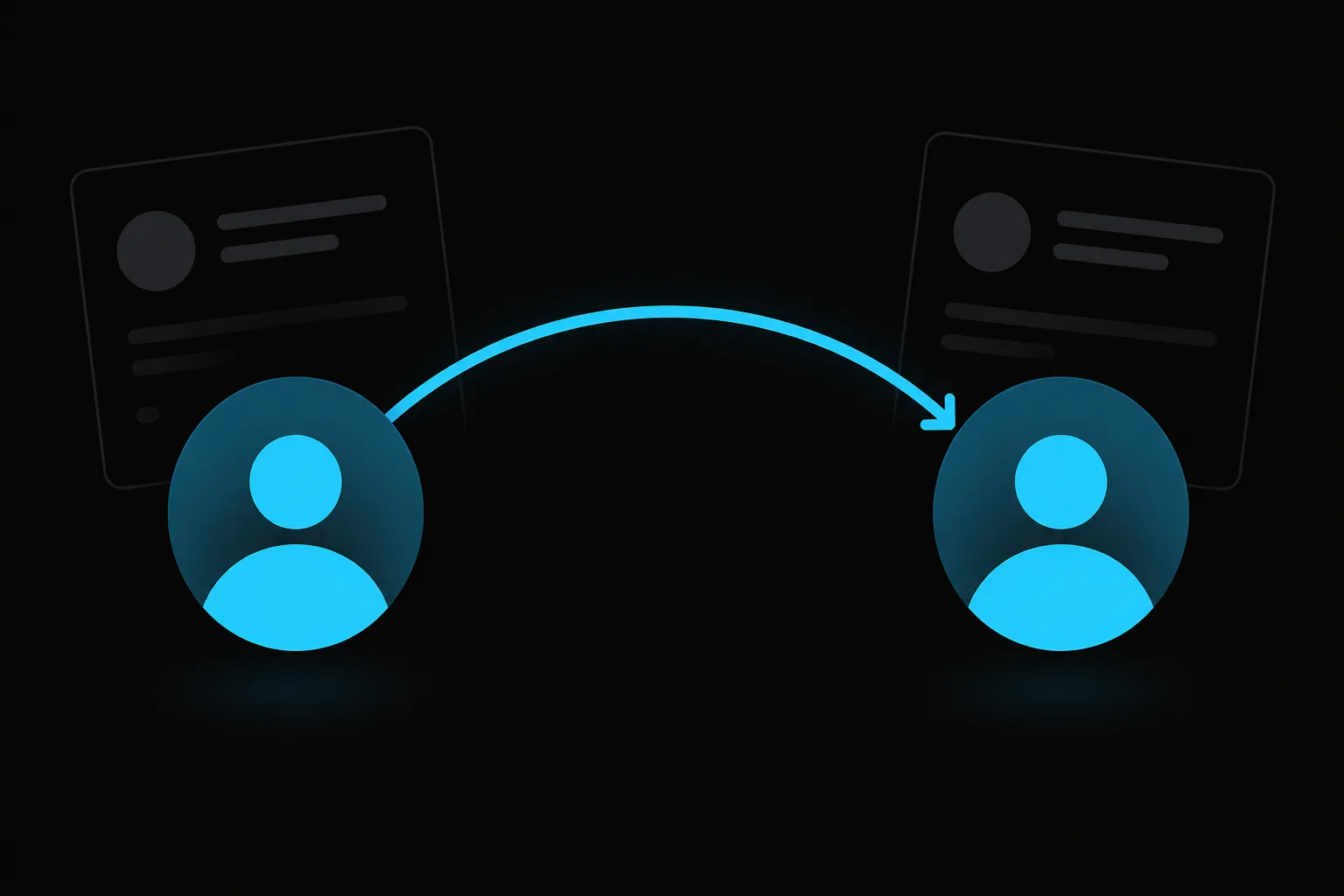
AI call transfers with Arabic name matching connect a caller to the right person even when the name arrives as Ahmed, Ahmad, Ahmd or أحمد. Paired with caller memory, which recalls the open ticket, last topic and preferred language, they mean returning callers never start from zero.
Why do repeat explanations matter?
Because customers notice. 56 percent say they often have to repeat or re-explain information to different representatives, and 79 percent expect consistent interactions across departments (Salesforce). Removing the repetition also saves time: Gartner estimates that capturing the caller's name, account number and reason for calling can cut up to a third of the time a human agent spends on the interaction (Gartner).
What does caller memory do?
- Recognises the returning number and greets the caller in their preferred language.
- Recalls the open ticket and the last product discussed.
- Continues the conversation instead of restarting it.
- Passes the same context to staff on a transfer, so nobody asks twice.
Why are Arabic names hard for directories?
Written Arabic usually leaves out short vowels, so one name has many English spellings: محمد becomes Mohammed, Muhammad, Mohamed or Mohamad. The Arabic script itself varies too, with different forms of alef (أ إ آ ا) and final letters (ة or ه, ى or ي). A directory that only matches exact text sends the call to the wrong Ahmed, or to nobody.
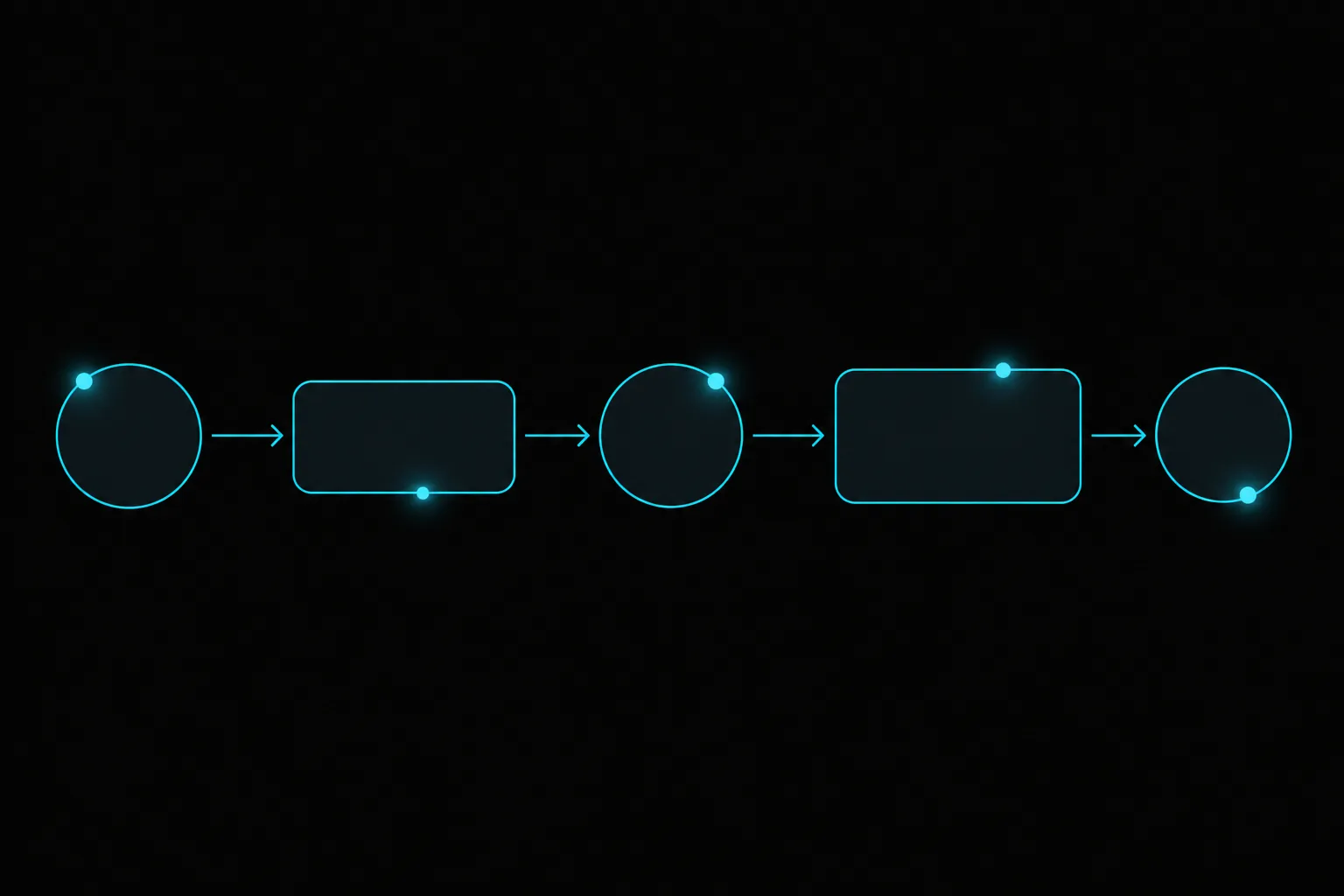
How does a smart transfer work, step by step?
- Hear the request: "Put me through to Ahmad in finance."
- Normalise the name: unify Arabic letter forms and map common English spellings to one key.
- Use context: department, role or the caller's history narrows the match.
- Confirm if unsure: "Ahmed Al-Khalifa or Ahmed Hassan?" rather than guessing.
- Check the hours: if the person is out, follow the fallback chain to a colleague or book a callback.
- Hand over warm: the person picks up with the full conversation in front of them.
Does this need a person at all?
For many calls, no. 35 percent of customers say they would work with an AI agent instead of a person to avoid repeating themselves (Salesforce, State of the Connected Customer). When a person is needed, the transfer is where trust is won or lost, so it has to land on the right desk the first time.
These features matter most on banking lines: see the guide to Arabic AI voice agents for banks. Design the routing itself in the voice AI workflow builder. See it in a live demo.
تحويل المكالمات بالذكاء الاصطناعي مع مطابقة الأسماء العربية
التحويل الذكي مع مطابقة الأسماء العربية يوصل المتصل إلى الشخص الصحيح حتى لو وصل الاسم بصيغة Ahmed أو Ahmad أو أحمد. ومع ذاكرة المتصل، التي تتذكر التذكرة المفتوحة وآخر موضوع واللغة المفضلة، لا يبدأ العميل العائد من الصفر.
- 56٪ من العملاء يضطرون كثيرًا إلى إعادة شرح معلوماتهم لموظفين مختلفين (Salesforce).
- جمع الاسم ورقم الحساب وسبب الاتصال مسبقًا قد يوفر حتى ثلث وقت الموظف (Gartner).
لماذا الأسماء العربية صعبة؟
الكتابة العربية تحذف الحركات القصيرة، فيُكتب «محمد» بالإنجليزية بعدة صيغ، وتختلف أشكال الألف (أ إ آ ا) والتاء المربوطة والهاء والياء والألف المقصورة.
خطوات التحويل الذكي
- يسمع الطلب ويوحّد صيغ الاسم.
- يستخدم القسم والسياق لتضييق الاختيار.
- يسأل للتأكيد عند الشك بدل التخمين.
- يتحقق من الدوام، ويحوّل مع السياق كاملًا.