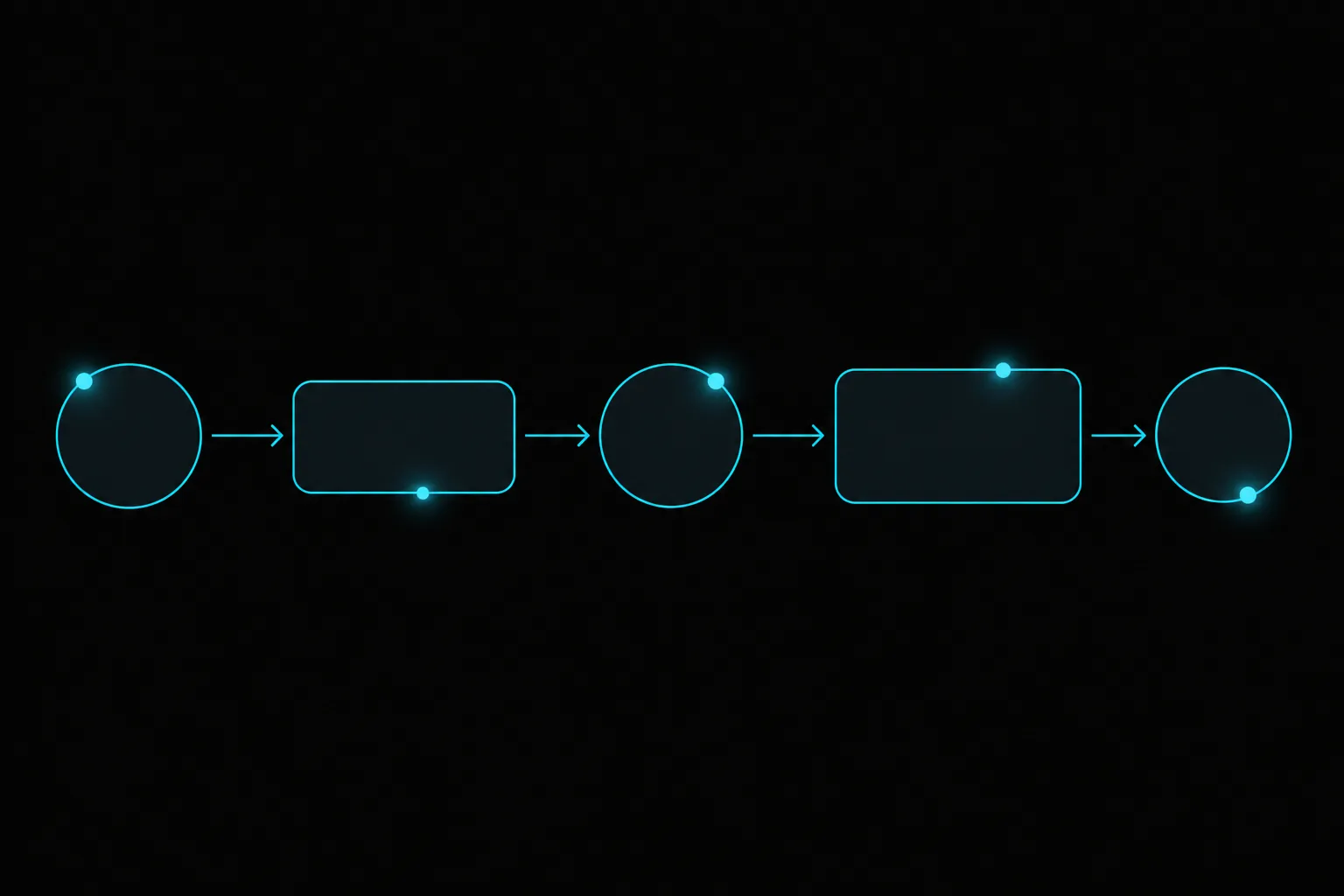

Voice AI for government services answers citizen calls in Arabic or English, captures the details of a request, and creates a tracked work order in the agency's system before the caller hangs up. The citizen gets a reference number by SMS, and field teams get clean, structured data instead of re-typed notes.
Why now, and why the Gulf?
Gulf governments have digitised the front end and are moving to AI. Bahrain has digitised 95 percent of public services (MEA Tech Watch), ranks 18th in the UN E-Government Development Index, and has moved about 85 percent of government workloads to the cloud (Kingdom of Bahrain statement to the UN, 2026). Bahrain's Information and eGovernment Authority issued a National Policy for the Use of AI in July 2025 that applies to all government entities (iGA), and is embedding AI into citizen inquiries and commercial registration (iGA AI readiness report). The phone line is often the last manual step.
What does the call accomplish?
- Natural conversation in Arabic dialects and English, with no menus.
- Checks on location, category and contact details while the caller is still on the line.
- A tracked work order created directly in the agency's system.
- Confirmation by SMS or voice with a reference number.
How does the flow work, step by step?
- The citizen calls and describes the problem in their own words.
- The agent asks only for what is missing: where, what, and how to reach them.
- It confirms the details back, so errors are caught before they reach the field.
- It creates the work order and reads out the reference number.
- It sends the confirmation by SMS, and hands unusual cases to staff with the full conversation.
What governance does a public agency need?
| Requirement | How it is met |
|---|---|
| Human oversight | Staff take exceptions and complex cases with full context |
| Data residency | Run in Voysera's cloud or fully on-premises in the agency's network |
| Audit trail | Every conversation transcribed, scored and stored |
| Privacy | Role-based access masks personal data from users who do not need it |
Residency is the biggest blocker: 67 percent of banking and government CX leaders cite data residency uncertainty as a reason they have not deployed AI (Eshal AI CX Benchmark 2026). An on-premises option removes it.
Why do agencies adopt it?
Fewer abandoned calls, cleaner data for field teams, and a measurable path from citizen request to resolution. Staff still handle exceptions; the routine path no longer depends on them. See how answers stay correct in governed knowledge topics and how every call is checked in AI call quality assurance.
Public-sector teams can review a citizen-services architecture with Voysera.
الذكاء الاصطناعي الصوتي للخدمات الحكومية: من المكالمة إلى أمر العمل
الذكاء الاصطناعي الصوتي للخدمات الحكومية يرد على مكالمات المواطنين بالعربية أو الإنجليزية، ويجمع تفاصيل الطلب، وينشئ أمر عمل قابلًا للتتبع في نظام الجهة قبل انتهاء المكالمة، ويرسل رقمًا مرجعيًا برسالة نصية.
- رقمنت البحرين 95٪ من الخدمات العامة، وتحتل المرتبة 18 في مؤشر الأمم المتحدة لتطوير الحكومة الإلكترونية.
- أصدرت هيئة المعلومات والحكومة الإلكترونية سياسة وطنية لاستخدام الذكاء الاصطناعي في يوليو 2025.
- 67٪ من قادة تجربة العملاء في البنوك والحكومة يذكرون عدم وضوح موطن البيانات سببًا لعدم تطبيق الذكاء الاصطناعي، والتشغيل الداخلي يزيل هذا العائق.
كيف تعمل المكالمة؟
- يصف المواطن المشكلة بكلماته.
- يسأل الوكيل عن الناقص فقط: أين وماذا وكيف نتواصل.
- يؤكد التفاصيل، ثم ينشئ أمر العمل ويقرأ الرقم المرجعي.
- يرسل التأكيد، ويحول الحالات غير المعتادة إلى الموظفين.